From Infant Care to Summer Sessions: A Parent’s Guide to Navigating Child Care Options
Planning for child care often starts with scoping your family’s daily rhythms and long-term goals. Consider commute patterns, meal preferences, nap schedules, and how each center’s philosophy aligns with your values. Assess whether the program emphasizes sensory-rich exploration, structured academics, or a balance of both. Meanwhile, ask about ratios, transitions between classrooms, and how staff document developmental milestones to help you understand each phase of early learning.
Beyond that, evaluate the breadth of services across the year. Some agencies offer full-time and year-round care and education for children ranging from infancy through pre-kindergarten, as well as seasonal options for older children. Validate that hours of operation mesh with work demands and that meals, snacks, and supplies are handled in ways that buffer your morning routines. In practice, those logistical details can make consistency sustainable for the whole household.
Often, infant and toddler programs hinge on creating a nurturing environment anchored in stable routines. Inspect how caregivers provide consistent attention and affection, and how spaces are staged to feel home-like while remaining secure. Verify whether supplies like diapers, wipes, and infant food are included to reduce daily packing. Then ask how discovery baskets, texture play, and motor skill activities are sequenced to support crawling, cruising, and first steps.
However, as children approach preschool age, priorities expand to kindergarten readiness without abandoning play. Review how literacy emerges through name writing and sight words, and how math concepts such as shapes and numbers are introduced. Calibrate expectations around vocabulary building and social development, including turn-taking and conflict resolution. Teachers who guide self-help skills while modeling empathy can help children enter school with confidence and flexibility.
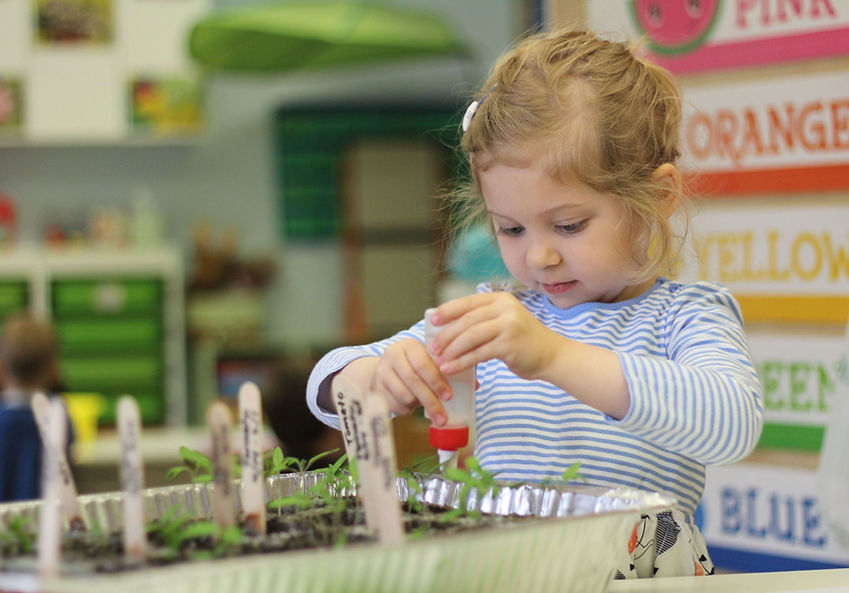
Meanwhile, enrichment can distinguish a program from standard care. Inspect whether hands-on STEM projects, nature observation, and simple science experiments are woven into weekly plans rather than treated as add-ons. Yoga and music and movement may reinforce balance and coordination, while gardening and basic cooking can nurture curiosity about nutrition. Arts and crafts that refine cutting, pasting, and drawing also support fine motor control in engaging, age-appropriate ways.
Then, think seasonally. A summer camp program for children entering kindergarten through early elementary grades can keep momentum without replicating the school year. Ask about weekly themes, water play, drama, sports, and games that maintain a relaxed pace while still encouraging teamwork and exploration. Options to register for specific weeks can provide flexibility for vacations and family schedules, minimizing gaps in care during busy months.
Additionally, operational conveniences impact daily experience as much as curriculum. Confirm that breakfast, lunch, and snacks are included and aligned with your child’s dietary needs. Extended hours from early morning to early evening may create buffer time around commutes. Flexible enrollment policies can help families start when space is available rather than waiting for a narrow intake window, which can be crucial during job changes or relocations.
In practice, the physical environment tells a story about safety and stimulation. Look for secure entries, natural light, and well-zoned classrooms stocked with quality learning materials. Outdoors, a fenced play area with sand and water tables invites sensory exploration, while a vegetable garden can anchor seasonal lessons about growth cycles and food. Validate cleaning protocols and maintenance routines to ensure spaces remain healthy and inviting over time.
Furthermore, community outreach elements can enrich social learning. Programs that facilitate age-appropriate volunteering experiences encourage empathy and real-world connection. Families may find value in monthly opportunities to support local charities alongside children, reinforcing compassion and responsibility. Documenting these experiences through photos and simple reflections can help children process what they observed and practiced beyond the classroom.
Finally, fit is about more than a brochure. Schedule visits at different times to observe transitions, mealtimes, and outdoor play. Ask how teachers align strategies across classrooms so growth feels continuous from infancy through pre-kindergarten. Validate communication practices, from daily notes to periodic conferences, and clarify how concerns are addressed. With a thoughtful approach, you can refine choices that honor your child’s development and your family’s practical realities.